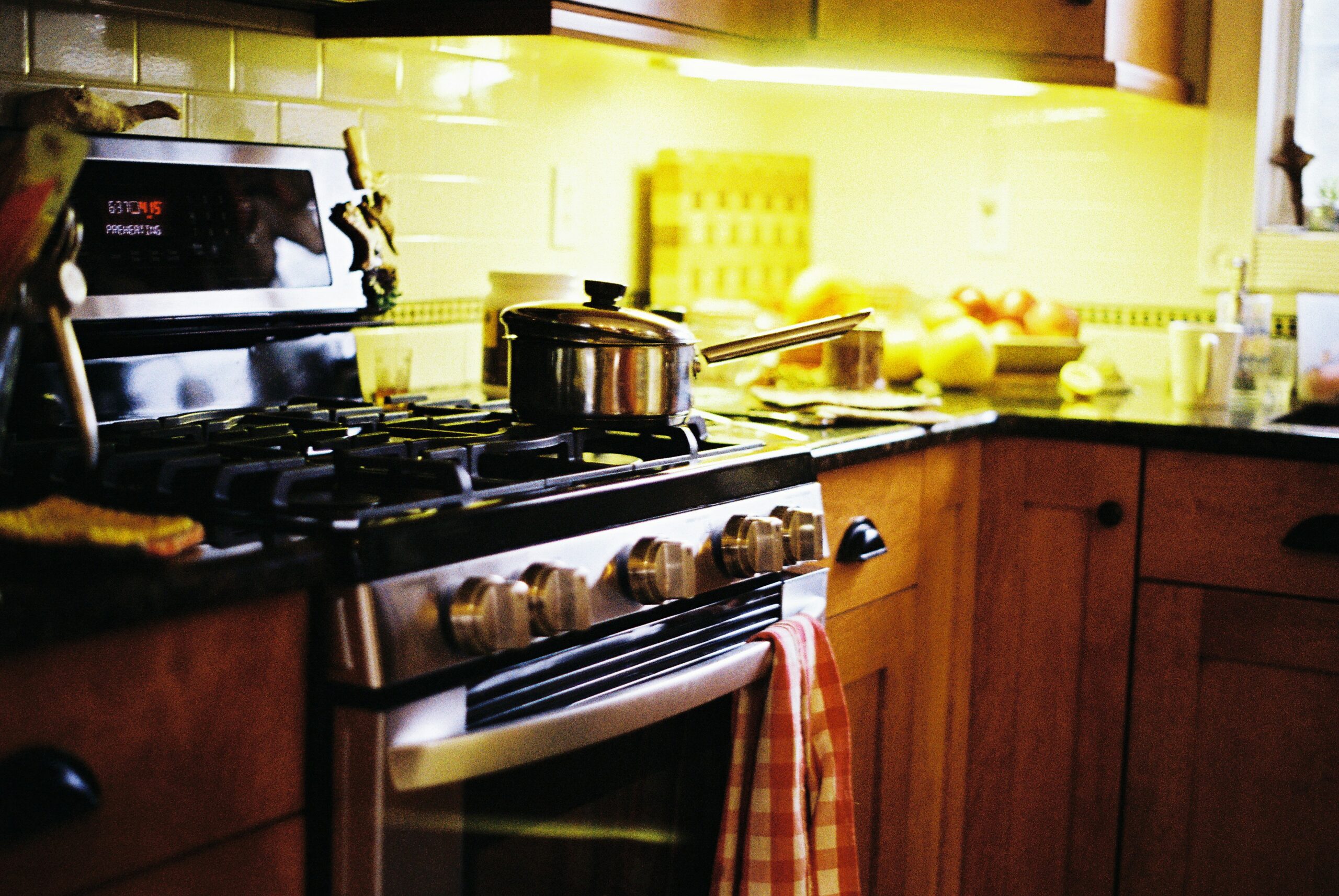
So, you’re thinking about taking the plunge into a home renovation. Whether it’s a long-awaited kitchen overhaul or finally finishing that basement, it’s an exciting time filled with visions of your dream space. But let’s be real—renovations are also a significant investment of both time and money. The big question is: how do you ensure you’re not just creating a home you love, but also one that loves you back when it comes to your home’s value? The secret lies in strategic planning. Here are ten essential tips to guide your project and maximize your return on investment.

1. Know Your “Why” and Your Budget
Before you pick up a single paint swatch, get crystal clear on your goals. Are you renovating to sell within a few years, or is this your “forever home” upgrade? Your answer will dramatically shape your choices. A flip-focused reno prioritizes broad market appeal and cost control, while a forever-home project can indulge in personal taste.
Next, set a realistic budget—and then add a 15-20% contingency fund. Surprises, especially in older homes, are the rule, not the exception. This buffer will keep your finances (and your sanity) intact when you uncover unexpected plumbing or electrical issues.
2. Research ROI Like a Pro
Not all renovations are created equal in the eyes of future buyers or appraisers. Consult resources like the annual Cost vs. Value Report to see which projects offer the best return in your region. Consistently, minor kitchen remodels, garage door replacements, and manufactured stone veneer rank high. A massive, ultra-luxury kitchen might feel amazing, but you’re unlikely to recoup its full cost.
Focus on High-Impact, Low-Cost Updates
Never underestimate the power of cosmetic fixes. A fresh coat of neutral paint, modern light fixtures, updated cabinet hardware, and deep cleaning can work wonders for a fraction of the cost of a full gut job. These updates make a space feel fresh, cared for, and move-in ready.
3. Don’t Over-Improve for the Neighborhood
This is a classic mistake. If every other house on your block has standard finishes and you install a chef’s kitchen with imported Italian marble, you’ve likely priced yourself out of the market. Your home’s value is tied to its surroundings. Aim to be one of the nicest houses on the block, not a mansion on a street of cottages.
4. Prioritize the Kitchen and Bathrooms
It’s cliché because it’s true. These are the rooms that sell houses. You don’t need a full remodel to make an impact. In the kitchen, consider refacing cabinets instead of replacing them, upgrading appliances to energy-efficient models, and installing durable, attractive countertops like quartz. In bathrooms, re-grouting, replacing an old vanity, and updating fixtures can create a spa-like feel without breaking the bank.
5. Boost Curb Appeal First
First impressions are everything. If the exterior looks tired, buyers (or appraisers) may never get excited about the gorgeous interior. Invest in landscaping, a tidy lawn, a painted front door, and clean walkways. A new garage door or front entry door often offers a stellar ROI and instantly elevates your home’s look.
6. Go Green with Smart Upgrades
Energy efficiency is no longer just a nice-to-have; it’s a major selling point. Smart, eco-friendly upgrades pay you back over time and appeal to a growing number of buyers. Consider:
- Insulation: Upgrading attic insulation has a great payback.
- Windows: Energy-efficient windows improve comfort and cut bills.
- HVAC: A modern, efficient system is a strong asset.
- Smart Thermostats: A low-cost upgrade that signals a modern, efficient home.
7. Get the Right Permits
Skipping permits to save time or money is a huge risk. Unpermitted work can haunt you during a sale, lead to fines, or even force you to tear out completed work. It also raises red flags for home inspectors. Always pull the proper permits—it protects your investment and ensures the work is done to code.
8. Vet Your Contractors Thoroughly
Your contractor can make or break your project. Get at least three detailed, written bids. Check licenses, insurance, and references—and actually call them. Look at their past work. A trustworthy, communicative professional is worth their weight in gold and will help you avoid costly mistakes.
Put Everything in Writing
A detailed contract is non-negotiable. It should include the project scope, timeline, payment schedule, specific materials (brand, model, color), and how change orders will be handled. This document is your primary protection.
9. Choose Timeless Over Trendy
That avocado-green tile or ultra-glossy black fixture might be all over Instagram today, but will it look dated in five years? For major, hard-to-change elements (flooring, cabinets, tile), lean toward classic, neutral styles. You can always inject personality and current trends with easily swapped items like paint, throw pillows, and art.
10. Think About Function and Flow
A beautiful renovation that doesn’t function well is a missed opportunity. Consider how you (and future owners) live. Does the kitchen layout create a “work triangle”? Is there enough storage? Does opening up a wall between the kitchen and living room improve the home’s flow for entertaining? Good design marries aesthetics with practical, livable space.
Wrapping It Up: Renovate with Your Head and Your Heart
A successful home renovation is a delicate balance. It’s about listening to your heart to create a space that brings you joy, while also using your head to make financially sound decisions. By planning meticulously, focusing on high-return projects, and hiring the right team, you can transform your house in a way that enhances your daily life and strengthens your financial future. Remember, the goal is to build value you can live with—and eventually, profit from. Happy renovating!
Photo Credits
Photo by Luke Schlanderer on Unsplash
- Finding Your Perfect Fit: A Guide to Senior Apartments for Independent Living – 28/01/2026
- Understanding Dental Implant Options – 28/01/2026
- Home Renovation Basics Explained – 28/01/2026

Leave a Reply