For many seniors, the simple joy of moving freely through their day—whether it’s tending to a garden, visiting a grandchild, or just navigating their own home with confidence—is a cornerstone of independence and well-being. However, the natural changes that come with aging can sometimes make these everyday movements challenging. The good news is that the world of aging mobility support has evolved dramatically, offering a vast array of tools and technologies designed not to limit, but to liberate. Today’s mobility aids for seniors are about empowerment, safety, and maintaining an active, engaged lifestyle. This guide explores the comprehensive solutions available, providing a roadmap for seniors and their families to find the right support for enhanced safety, autonomy, and joy in daily life.
Understanding the Need: Why Mobility Matters for Aging Well
Mobility is far more than just physical movement; it’s intrinsically linked to mental health, social connection, and overall quality of life. When seniors face difficulties with balance, strength, or endurance, the risk of isolation and depression increases, while the ability to perform essential daily mobility assistance tasks diminishes. Challenges like arthritis, reduced vision, or recovery from surgery can turn previously simple activities into daunting obstacles. Proactively addressing these challenges with appropriate senior safety tools is a proactive step toward independent aging support. It’s about risk mitigation—preventing falls, the leading cause of injury among older adults—and about preserving the dignity and autonomy that come with self-reliance.
Navigating the Home: Foundational Safety and Mobility Modifications
Since most falls happen at home, creating a safe living environment is the first and most critical line of defense. This doesn’t always require a full-scale renovation; often, strategic modifications and the right tools can make a world of difference.
Bathroom Safety: A High-Priority Zone
The bathroom, with its slippery surfaces, is a primary area of concern. Essential senior safety tools for this space include:
- Grab Bars: Professionally installed near the toilet and inside/outside the shower or tub. These are far more secure than relying on towel racks.
- Shower Chairs and Transfer Benches: These allow for seated bathing, reducing fatigue and the risk of slipping. A transfer bench enables a person to sit outside the tub and swing their legs in safely.
- Raised Toilet Seats and Frames: These reduce the distance needed to sit and stand, easing strain on knees and joints.
- Non-Slip Mats: Placed inside and outside the shower/bath, and in front of the sink.
Throughout the House: Simple Yet Effective Adjustments
Daily mobility assistance can be seamlessly integrated into any home:
- Improved Lighting: Ensure all walkways, staircases, and hallways are well-lit. Motion-sensor nightlights in bedrooms, bathrooms, and hallways are invaluable for safe nighttime navigation.
- Clutter-Free Pathways: Remove loose rugs, electrical cords, and other tripping hazards from floors.
- Stair Safety: If stairs are present, ensure handrails are sturdy on both sides. For those with significant challenges, a stairlift can be a life-changing investment, allowing access to the entire home.
- Smart Home Technology: Voice-activated devices can control lights, thermostats, and even locks, reducing the need to move around unnecessarily.
Personal Mobility Aids: From Canes to Power Chairs
When moving beyond the home or needing support for longer distances, a range of personal mobility aids for seniors is available. Selecting the right one depends on the individual’s strength, balance, and endurance.
Canes and Walkers: Stability for Ambulation
These are the most common tools for aging mobility support.
- Canes: Ideal for minor balance issues or unilateral weakness. Options include single-point canes, quad canes (with four feet for a broader base), and offset handles for better weight distribution.
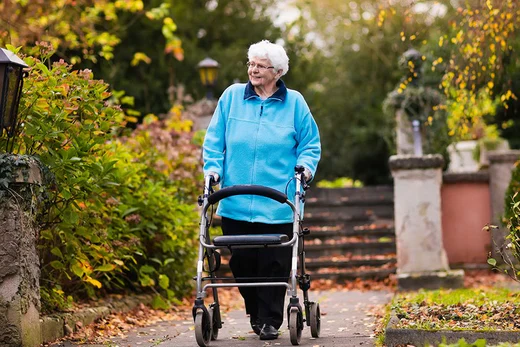
- Walkers: Provide significant stability and weight-bearing support. Standard walkers must be lifted, while rollators (walkers with wheels) feature hand brakes, a seat for resting, and often a storage basket. Rollators are excellent for those who need support but have the stamina for longer outings.
Wheelchairs and Scooters: Freedom for Longer Distances
For those with limited endurance or inability to walk safely, these devices restore freedom.
- Manual Wheelchairs: Lightweight, transportable options are good for occasional use or for being pushed by a caregiver. Self-propelling models require upper body strength.
- Power Wheelchairs: Controlled by a joystick, these are ideal for indoor use and complex maneuvering. They are prescribed for those with significant mobility limitations.
- Mobility Scooters: Best for outdoor use and community navigation. They are excellent for seniors who can walk short distances but need help for shopping, visiting parks, or attending events. Scooters provide a tremendous boost to social engagement and mental well-being.
Consultation with a physical or occupational therapist is highly recommended to ensure the correct type, fit, and use of any personal mobility device.
Technology and Innovation: The Future of Senior Mobility
The frontier of independent aging support is being reshaped by technology. Beyond smart homes, several innovations are making waves:
- Wearable Fall Detection and Alert Devices: These pendants or watches can automatically detect a fall and call for help, even if the wearer is unconscious. This technology provides unparalleled peace of mind for both seniors and their families.
- Exoskeletons and Robotic Suits: While still emerging and often costly, these devices can augment leg strength, helping individuals with significant weakness to stand and walk.
- Advanced Monitoring Systems: Sensor-based systems can track daily activity patterns and alert caregivers to unusual changes (like not getting out of bed) that may indicate a problem.
- Ride-Sharing and Specialized Transport: Apps and services tailored for seniors offer door-to-door, driver-assisted transportation, removing the barrier of driving and enabling easy access to appointments and social activities.
Choosing the Right Solutions: A Practical Action Plan
Selecting the appropriate mobility aids for seniors can feel overwhelming. Follow this actionable plan:
- Conduct a Home Safety Audit: Walk through the home with a critical eye, or hire an occupational therapist to perform a professional assessment. Identify specific hazards in each room.
- Consult Healthcare Professionals: A doctor can diagnose underlying issues, and a physical or occupational therapist is the best expert to recommend specific devices, ensure proper fitting, and provide training on safe use.
- Prioritize Needs and Lifestyle: Is the primary need for safe toileting? For navigating the local mall? For getting the mail? Match the solution to the most frequent and critical activities.
- Try Before You Buy: Many medical supply stores offer rental programs or trial periods for larger equipment like scooters or stairlifts. This allows for real-world testing.
- Involve the Senior in the Decision: Autonomy in the selection process increases the likelihood that the tool will be accepted and used consistently. Focus on how the aid enables favorite activities, not on disability.
Embracing a Mobile, Active Future
Ultimately, embracing aging mobility support is a positive and proactive choice. It is a declaration that life is meant to be lived fully, regardless of age or physical challenge. The right combination of home modifications, personal mobility aids for seniors, and innovative technology can dramatically reduce the risk of injury, alleviate the fear of falling, and open doors—literally and figuratively.
By viewing these solutions not as symbols of limitation but as tools of empowerment, seniors can reclaim confidence and continue to participate actively in their communities and hobbies. The goal of independent aging support is not just to add years to life, but to add life to years—ensuring that every individual has the support they need to move safely, comfortably, and joyfully through each day.
Photo Credits
Photo by Serinus on Pexels
- Finding Your Perfect Fit: A Guide to Senior Apartments for Independent Living – 28/01/2026
- Understanding Dental Implant Options – 28/01/2026
- Home Renovation Basics Explained – 28/01/2026

Leave a Reply