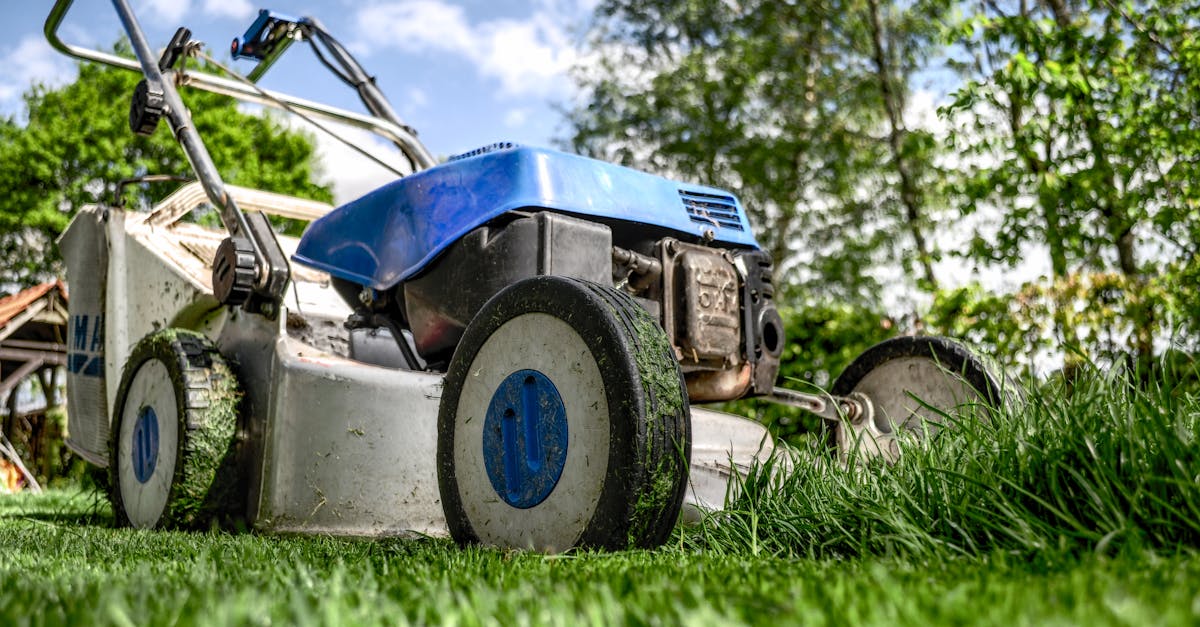
A vibrant, healthy lawn is more than just a patch of green; it’s a living ecosystem that enhances your home’s curb appeal, provides a space for recreation, and contributes to the local environment. Achieving and maintaining that ideal landscape, however, requires more than sporadic mowing. It demands a systematic approach that aligns with the rhythms of nature.
This guide provides a clear, actionable framework for lawn care, breaking down essential maintenance, seasonal responsibilities, and the professional service options available to homeowners. Whether you’re a hands-on gardener or someone who prefers to delegate, understanding these fundamentals is the first step toward a resilient and beautiful yard.
The Pillars of Consistent Lawn Maintenance
A strong lawn care routine is built on a few non-negotiable practices. These core tasks form the foundation of plant health, preventing most issues before they start and ensuring your grass can thrive through various challenges.
Mowing with Strategy
How you cut your grass significantly impacts its health. The goal is to encourage deep root growth and discourage weeds.
- Follow the “One-Third Rule”: Never remove more than one-third of the grass blade height in a single mowing. Cutting too short stresses the plant, weakening it and inviting weeds.
- Keep Blades Sharp: Dull mower blades tear grass, creating ragged, brown tips that are more susceptible to disease. Sharpen blades at least once per season.
- Vary Your Pattern: Mowing in the same direction every time can compact soil and cause grass to lean. Change your mowing pattern weekly to encourage upright growth.
Watering for Deep Roots
Infrequent, deep watering is far superior to daily light sprinklings. This practice trains grass roots to grow downward in search of moisture, creating a more drought-tolerant lawn.
- Water Early: The best time to water is early morning, reducing evaporation and allowing grass blades to dry before evening, which helps prevent fungal diseases.
- Measure Your Output: Aim for about 1 to 1.5 inches of water per week, including rainfall. Use a simple rain gauge or place empty tuna cans on your lawn to measure how much your sprinkler delivers.
- Observe, Don’t Schedule: Let the lawn tell you when it needs water. Signs include a bluish-gray tint, folded leaf blades, and footprints that remain visible on the grass.
Nutrition and Soil Health
Fertilizing provides essential nutrients, but it must be done correctly. A soil test is the most valuable tool in your arsenal, revealing exactly what your lawn needs.
- Test Your Soil: A professional soil test or reliable home kit will measure pH and nutrient levels. Most grasses prefer a slightly acidic pH between 6.0 and 7.0.
- Choose the Right Fertilizer: Based on your soil test, select a fertilizer with the appropriate balance of nitrogen (N), phosphorus (P), and potassium (K). Slow-release formulas provide a steady nutrient supply.
- Core Aeration: Performing this task annually relieves soil compaction, allows water and nutrients to reach the root zone, and improves air exchange. It’s particularly beneficial for high-traffic areas.
The Seasonal Lawn Care Calendar
Your lawn’s needs change dramatically with the seasons. A proactive, calendar-based plan ensures you provide the right care at the right time, setting the stage for success year-round.
Spring: Revival and Preparation
Spring is a period of vigorous growth. Focus on cleaning up winter damage, addressing weeds early, and giving the lawn a strong start.
- Clean Up and First Mow: Rake to remove thatch and winter debris. Set your mower blade to a higher setting for the first cut.
- Pre-Emergent Weed Control: Apply pre-emergent herbicides in early spring to prevent crabgrass and other annual weeds from germinating.
- Fertilize: Apply a spring fertilizer to support new growth, but avoid excessive nitrogen that can lead to rapid, weak growth and disease.
Summer: Vigilance and Stress Management
Heat, drought, and increased use put summer lawns under stress. Shift your focus to preservation and careful monitoring.
- Raise Mowing Height: Let grass grow a half-inch to an inch taller to shade the soil, conserve moisture, and keep roots cooler.
- Manage Water Wisely: Adhere to the deep, infrequent watering principle. Be mindful of any local water restrictions.
- Spot-Treat Weeds: Use post-emergent herbicides carefully on visible weeds, preferably on a cool, calm day to avoid damaging the grass.
Fall: The Most Critical Season
Fall lawn care is arguably the most important. The work you do now repairs summer damage and builds reserves for winter survival and a robust spring green-up.
- Core Aeration and Overseeding: This is the ideal time for aeration. Follow it by overseeding to introduce new grass plants and fill in thin or bare spots.
- Apply Fall Fertilizer: A fertilizer high in potassium (the third number on the bag) promotes root growth and winter hardiness.
- Continue Mowing: Keep mowing as long as the grass is growing. Gradually lower the height for the final cut of the season to help prevent matting and snow mold.
Winter: Rest and Planning
While the lawn is dormant, your responsibilities shift to protection and preparation for the year ahead.
- Minimize Traffic: Avoid walking on frozen or frost-covered grass, as the blades are brittle and can break easily, damaging the crown of the plant.
- Clean and Service Equipment: Winterize your irrigation system. Clean your mower and other tools, and have the mower blade sharpened for spring.
- Plan for Next Year: Review what worked and what didn’t. Order soil test kits and research any new lawn care approaches or grass varieties for your region.
Understanding Professional Lawn Service Options
For many homeowners, professional services offer expertise, convenience, and consistent results. Services typically range from basic maintenance to comprehensive health programs.
Essential Maintenance Services
These are the most commonly outsourced tasks, forming the backbone of a professional care plan.
- Regular Mowing and Edging: A service provider will handle mowing on a set schedule with commercial-grade equipment, ensuring a crisp, even cut and clean edges along walkways and beds.
- Seasonal Fertilization and Weed Control: Professionals apply the correct products at the optimal times, often using commercial-grade materials not available to consumers.
- Aeration and Overseeding: These labor-intensive fall tasks are perfectly suited for a professional crew with the right equipment to do the job efficiently and effectively.
Advanced Health and Remediation Programs
When a lawn has specific issues or requires renewal, these services provide targeted solutions.
- Professional Soil Analysis and Amendment: Beyond basic testing, a reputable service can interpret complex results and prescribe precise lime, sulfur, or organic amendments to correct soil chemistry.
- Disease and Pest Management: Correctly diagnosing lawn diseases or insect infestations requires experience. Professionals can identify the issue and apply targeted treatments with minimal environmental impact.
- Lawn Renovation or Installation: For severely damaged lawns or new construction, professionals can manage complete renovation—from soil preparation and grading to selecting the right grass type and installing sod or seed.
Choosing the Right Service Provider
Selecting a lawn care company is an important decision. Due diligence ensures you find a reliable partner.
- Verify Licensing and Insurance: Ensure the company is properly licensed for pesticide application in your state and carries both liability and workers’ compensation insurance.
- Request a Detailed Proposal: A trustworthy company will provide a written plan outlining specific services, schedules, products they intend to use, and a clear pricing structure.
- Ask About Guarantees: Many reputable services offer satisfaction guarantees or will return to address issues like weed breakthroughs between scheduled visits at no extra charge.
A beautiful lawn is the product of knowledge, timely action, and consistent effort. By mastering the core maintenance practices, adhering to a seasonal calendar, and understanding when to call in experts, you can cultivate an outdoor space that is not only visually appealing but also healthy and sustainable. The journey begins with assessing your current landscape and committing to a plan that fits your goals, your climate, and your lifestyle.
- The 2026 Professional Roofing Services Guide – 22/04/2026
- The 2026 Water Damage Recovery Guide – 22/04/2026
- The 2026 Solar Roofing Strategy – 22/04/2026

Leave a Reply