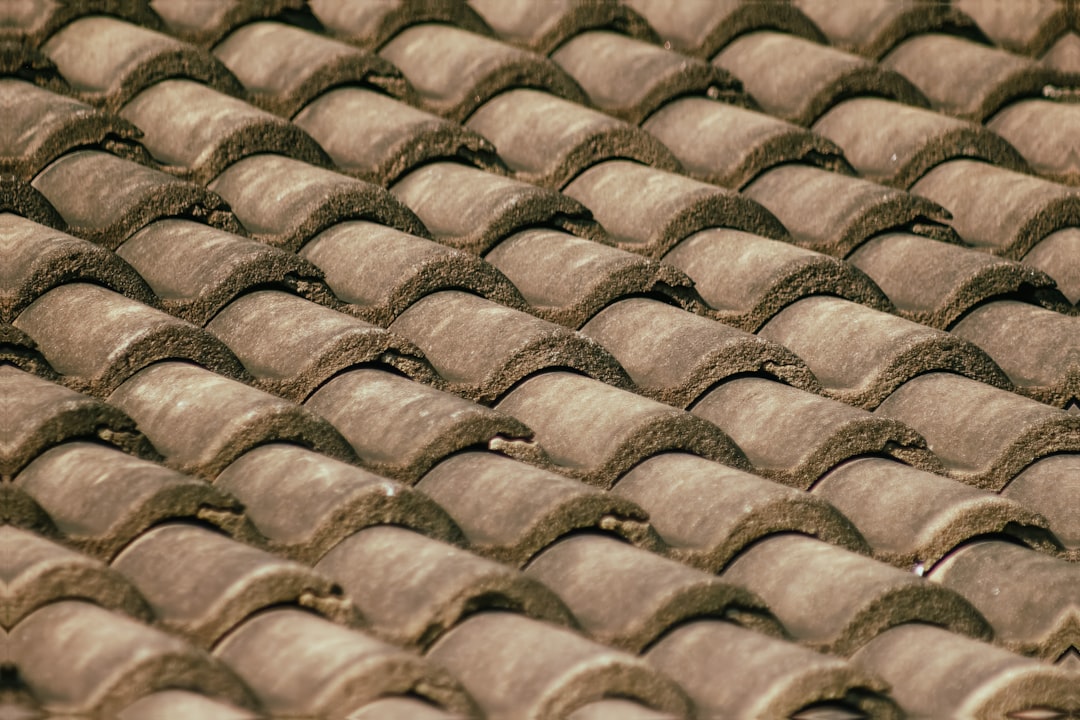
Your roof is your home’s primary shield against the elements, yet it often remains out of sight and out of mind until a problem arises. Understanding the fundamentals of roofing services—from materials and repairs to routine inspections—is essential for any responsible homeowner. This guide provides a clear, actionable overview to help you make informed decisions about one of your most significant investments.
Understanding the Scope of Professional Roofing Services
Professional roofing services encompass far more than just fixing leaks. A reputable contractor offers a full spectrum of expertise designed to protect your property and extend the life of your roof. Knowing what to expect can help you select the right professional for the job.
Comprehensive Roof Inspections
A thorough inspection is the cornerstone of any sound roofing strategy. It provides a detailed assessment of your roof’s current condition and identifies potential issues before they escalate into costly emergencies.
A standard professional inspection typically includes:
- Exterior Assessment: Examining shingles, flashing, gutters, chimneys, and vents for damage, wear, or improper installation.
- Interior Check: Looking in attics for signs of water intrusion, proper ventilation, and adequate insulation.
- Structural Evaluation: Checking for sagging decking or issues with the underlying support structure.
- Documentation: Providing a detailed report with photographs, findings, and recommended next steps.
Targeted Repair Work
Even the best roofs eventually need attention. Prompt, professional repairs are crucial for maintaining integrity and preventing minor damage from becoming a major reconstruction project.
Common repair scenarios include:
- Sealing or replacing damaged, cracked, or missing shingles.
- Repairing or replacing corroded or loose metal flashing around penetrations.
- Addressing leaks around skylights, vents, or chimneys.
- Fixing damaged or clogged gutter systems that cause water backup.
- Replacing worn-out sealants and caulking.
A Guide to Common Roofing Materials
The material you choose for your roof affects its longevity, appearance, performance, and cost. Each option comes with distinct advantages and considerations for maintenance and repair.
Asphalt Shingles
Asphalt shingles are the most widely used roofing material in North America due to their cost-effectiveness and reliability. They are composed of a fiberglass mat coated with asphalt and ceramic granules.
- Pros: Affordable, widely available, relatively easy to install and repair, and come in many colors and styles.
- Cons: Shorter lifespan than premium materials, can be vulnerable in extreme winds or hail.
- Maintenance Tip: Regular inspections for granule loss, curling, or cracking are key to maximizing their 20-30 year lifespan.
Metal Roofing
Metal roofing, available in panels or shingles made from steel, aluminum, or copper, has surged in popularity for its durability and energy efficiency.
- Pros: Exceptionally long lifespan (40-70 years), fire-resistant, excellent in snowy climates, and highly energy-reflective.
- Cons: Higher upfront cost, requires specialized installation to prevent issues like oil-canning.
- Maintenance Tip: Keep debris off the surface and inspect fasteners and seams periodically to ensure they remain tight and sealed.
Tile and Slate
Tile (clay or concrete) and natural slate represent the premium end of roofing materials, offering unparalleled longevity and distinctive aesthetic appeal.
- Pros: Extremely durable and long-lasting (50-100+ years), fireproof, and offer unique architectural character.
- Cons: Very heavy, requiring reinforced roof framing; expensive material and installation costs; individual tiles can be brittle.
- Maintenance Tip: Walkways should be installed for any necessary maintenance to prevent breakage. Inspect for cracked or slipped tiles after severe weather.
- Verify the contractor holds a valid state license and sufficient insurance (liability and workers’ compensation).
- Look for manufacturers’ certifications, which indicate advanced training on specific material systems.
- Check online reviews and ask for local references to assess reputation and workmanship.
- Ensure they will pull all necessary local building permits for the work.
- Obtain at least three detailed estimates that break down material, labor, and disposal costs.
- Understand the difference between the manufacturer’s material warranty and the contractor’s workmanship warranty.
- Be wary of unusually low bids, which often indicate the use of subpar materials, insufficient insurance, or cut corners.
- Confirm the project timeline and cleanup process are included in the contract.
- In wildfire-prone areas, consider Class A fire-rated materials like metal, tile, or specific asphalt shingles.
- For regions with high wind or hail, look for impact-resistant shingles or sturdy metal panel systems.
- In hot climates, light-colored or reflective “cool roof” materials can significantly reduce cooling costs.
- The roof pitch and structural load capacity of your home will limit some material choices.
- Biannual visual inspections from the ground using binoculars, looking for damaged or missing materials.
- Keeping gutters and downspouts clean and free-flowing to prevent water backup under the roof edge.
- Trimming tree branches that overhang or rub against the roof surface.
- Checking the attic periodically for signs of leaks, moisture, or inadequate ventilation.
- The 2026 Professional Roofing Services Guide – 22/04/2026
- The 2026 Water Damage Recovery Guide – 22/04/2026
- The 2026 Solar Roofing Strategy – 22/04/2026
Key Considerations When Reviewing Roofing Options
Selecting a roofing service or material is a significant decision. Beyond cost, several critical factors should guide your choice to ensure a successful, long-term outcome.
Evaluating Contractor Credentials
The quality of the installation is as important as the material itself. A poor installation can void warranties and lead to premature failure.
Understanding Costs and Warranties
A detailed, written estimate and clear warranty terms are non-negotiable components of a professional roofing project.
Aligning with Climate and Home Design
Your local environment and the architectural style of your home play a decisive role in material selection.
Proactive Maintenance: The Best Defense
Consistent, proactive care is the most cost-effective roofing service you can invest in. A simple maintenance routine can double the functional life of your roof.
Essential homeowner maintenance tasks include:
Schedule a professional inspection every two to three years, and always after a major storm with high winds or hail. This expert eye can catch subtle issues you might miss.
Navigating roofing services, materials, and maintenance doesn’t have to be overwhelming. By understanding the basics of inspections, common repairs, and material properties, you are equipped to have informed conversations with professionals. The most prudent path forward begins with a comprehensive assessment from a qualified, credentialed roofing contractor who can evaluate your specific situation and provide clear, trustworthy recommendations for repair, maintenance, or replacement. This foundational knowledge empowers you to protect your home effectively for years to come.

Leave a Reply