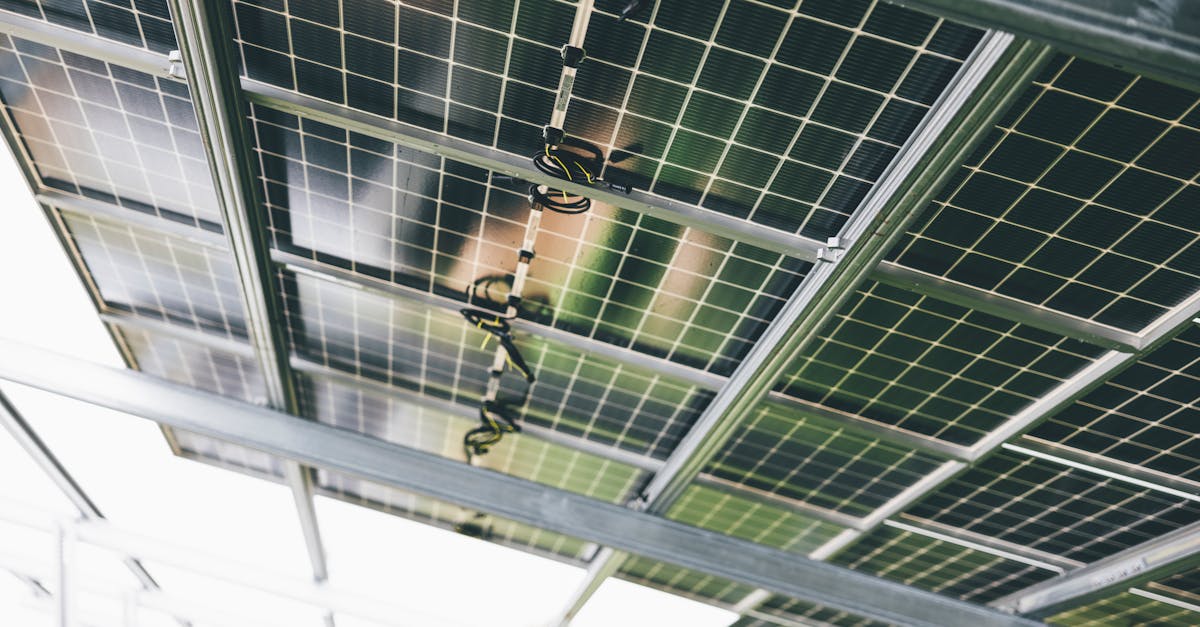
The roof over your head is undergoing a profound transformation. No longer a passive shield against the elements, it is becoming an active, intelligent component of your home’s energy system. This evolution is driven by Building-Integrated Photovoltaics, a technology that seamlessly merges solar power generation with structural roofing materials.
The era of bulky, rack-mounted panels as the default choice is giving way to a sleeker, more integrated approach. Today’s advanced solar roofing systems are engineered to be the roof itself, offering a dual promise: uncompromising protection and decades of clean energy production.
The Technical Shift: From Add-On to Integral Component
Traditional solar installations involve mounting panels onto an existing roof structure. This method creates a secondary layer, often with gaps and penetrations. Building-Integrated Photovoltaics eliminates this separation. The photovoltaic elements are the primary roofing material, embedded into shingles, tiles, or metal standing seams during manufacturing.
This fundamental shift is powered by high-efficiency monocrystalline silicon cells. These cells are laminated into durable substrates that match the profile and performance of premium traditional roofing.
Performance Metrics That Redefine Expectations
Modern solar roofing delivers on two critical fronts: energy yield and structural integrity. The performance data tells a compelling story.
- Energy Efficiency: Leading systems now achieve conversion efficiencies between 17% and 22%, rivaling many traditional panels.
- Fire Resistance: These products carry Class A fire ratings, the highest classification for roofing materials.
- Wind Uplift Resistance: Engineered to withstand extreme winds, often meeting the stringent requirements for hurricane-prone regions.
- Longevity: With warranties extending 25 to 30 years for both power output and material integrity, they are built for the long term.
The Mechanics of Seamless Integration
Achieving a truly unified roof requires meticulous engineering. The goal is a continuous, waterproof surface that channels both weather and electricity with equal reliability.
Electrical Architecture and Weatherproofing
Each solar shingle or tile functions as an individual power-generating unit. They are interconnected through low-profile, waterproof connectors hidden beneath the surface. This creates a unified electrical circuit across the entire roof plane.
The installation process mirrors that of a high-end traditional roof. The integrated modules interlock, forming a continuous barrier. This eliminates the need for separate mounting rails and the associated roof penetrations, which are potential points of failure.
The Role of Smart IoT Monitoring
Intelligence is a key differentiator. Modern systems incorporate integrated sensors and monitoring technology. This provides homeowners and installers with unprecedented visibility into system health.
- Performance Analytics: Real-time tracking of energy production down to individual sections of the roof.
- Anomaly Detection: Sensors can identify subtle drops in output that may indicate shading, debris, or a module issue.
- Proactive Maintenance Alerts: The system can notify homeowners of recommended maintenance or potential concerns before they become significant problems.
The Financial Logic of a Dual-Purpose Asset
Evaluating solar roofing requires a holistic view of value. It is not merely a solar purchase; it is a roofing replacement with an integrated power plant. The financial analysis must account for both functions.
Capitalizing on Two Major Investments
Most homeowners will need to replace their roof at some point. The integrated approach consolidates two major capital expenditures—a new roof and a solar array—into a single project. This creates significant efficiencies.
- Single Installation Labor: One crew, one timeline, one set of logistical arrangements.
- Material Synergy: The product serves both purposes, eliminating the cost of underlying roofing materials needed for a panel-based system.
- Enhanced Property Value: The aesthetic and functional upgrade is often viewed more favorably than a combination of a new roof with added-on panels.
Incentives and Long-Term Returns
The investment is supported by available financial incentives. The federal Investment Tax Credit applies to the entire eligible cost of the system. Many states and utilities offer additional rebates or performance-based incentives.
The return is realized through two primary channels: the elimination of electricity bills for decades and the avoidance of a future separate roof replacement cost. This dual-stream value proposition strengthens the long-term economics.
Durability and Protection: The Structural Shield
A roof’s primary duty remains protection. Solar roofing materials are subjected to the same rigorous testing as premium traditional products. They are evaluated for impact resistance, hail rating, and thermal cycling.
The laminated construction, with tempered glass and polymer layers, creates an exceptionally tough surface. This durability ensures the roof performs as a reliable structural shield throughout its multi-decade lifespan, all while generating power.
Navigating the Modern Solar Roofing Market
For homeowners considering this upgrade, due diligence is paramount. The market includes several established manufacturers and evolving technologies. Key considerations extend beyond simple cost-per-watt calculations.
- Aesthetic Integration: Assess how well the product matches the architectural style of your home and blends with non-solar sections of roof.
- Installer Expertise: Seek certified installers with specific training in the chosen product. Proper installation is critical for both weathertightness and electrical performance.
- Warranty Comprehensiveness: Scrutinize warranty terms for power output, product defects, weatherproofing, and labor. Ensure they are backed by a stable, reputable company.
- System Compatibility: Understand the inverter technology and monitoring platform that comes with the system, ensuring it meets your connectivity and data preferences.
The integration of photovoltaics and structural roofing represents a mature, high-performance standard for modern construction. It solves two problems with one elegant, durable solution: securing your home against the weather and securing its energy future. For homeowners at the point of a roof replacement or building new, it presents a strategic opportunity to invest in a single asset that delivers protection, production, and long-term value for decades to come.
- The 2026 Professional Roofing Services Guide – 22/04/2026
- The 2026 Water Damage Recovery Guide – 22/04/2026
- The 2026 Solar Roofing Strategy – 22/04/2026

Leave a Reply