Let’s be honest: renovating your home is exciting, but it can also feel overwhelming. Between choosing paint colors and managing budgets, it’s easy to overlook the long-term impact of your decisions. But what if your next project could not only make your home more beautiful and comfortable but also kinder to the planet—and your wallet? Welcome to the world of sustainable home renovations, where eco-conscious choices translate into real value, both in your daily life and on the market.

Why Go Green? More Than Just a Trend
Sustainable renovations are about smart, forward-thinking upgrades. It’s not just about slapping on some solar panels (though that’s great!). It’s a holistic approach that considers energy efficiency, material sourcing, indoor air quality, and water conservation. The best part? These upgrades often pay for themselves through lower utility bills and can significantly boost your home’s resale appeal. Today’s buyers are increasingly looking for homes that are efficient, healthy, and have predictable operating costs.
High-Impact Eco-Friendly Upgrades
Ready to dive in? Here are some of the most valuable sustainable renovations, starting with the biggest energy-savers.
1. Seal and Insulate: The Foundation of Efficiency
Before you even think about fancy tech, address your home’s envelope. Air leaks and poor insulation are the biggest energy wasters. Start with a professional energy audit to find the weak spots. Then, focus on:
Attic insulation: Adding or upgrading insulation here offers one of the best returns on investment.
Weatherstripping and caulking: Sealing gaps around windows, doors, and foundations is a low-cost, high-impact DIY project.
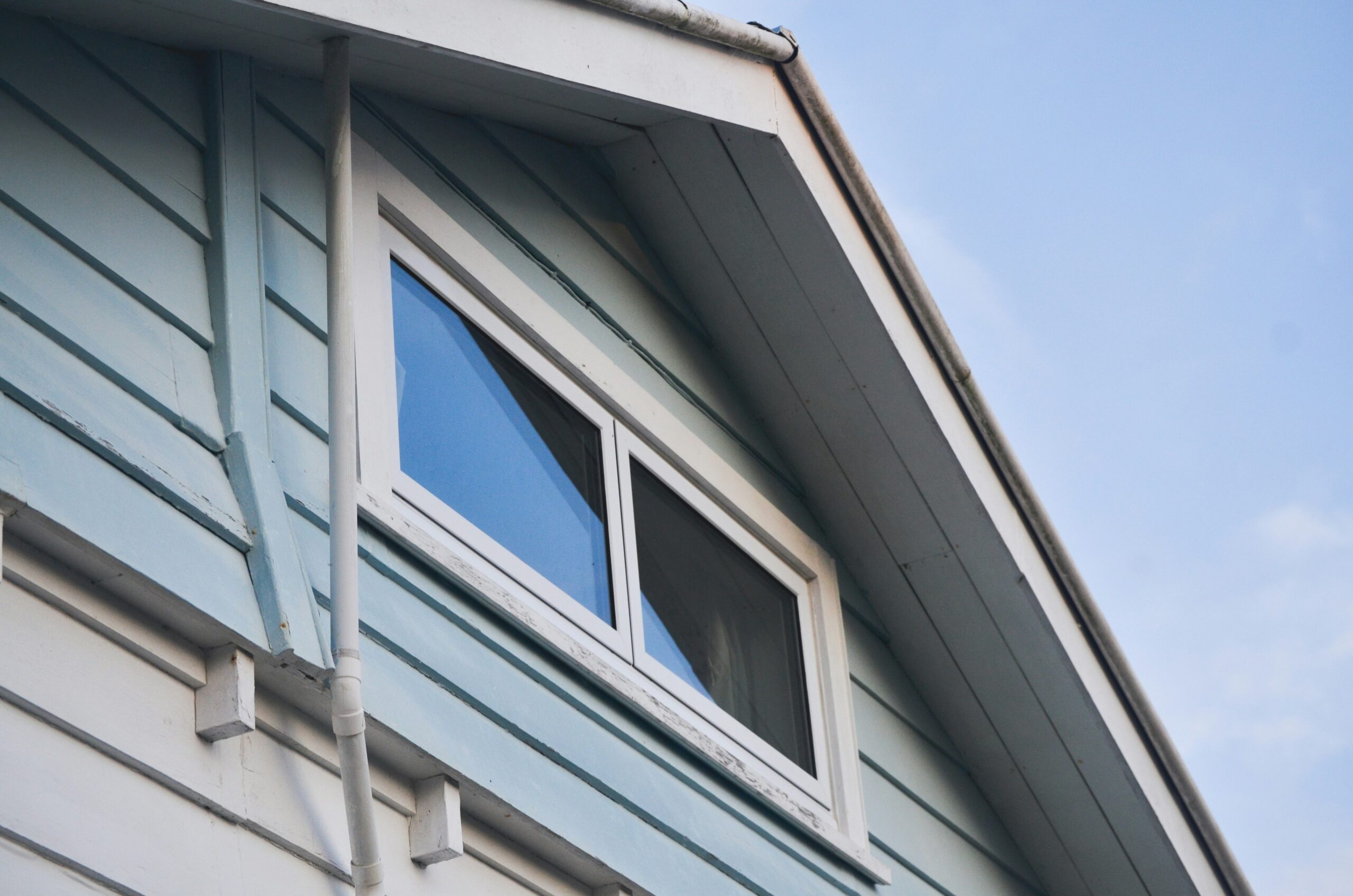
Window upgrades: If your windows are old, investing in Energy Star-rated double or triple-pane windows can dramatically improve comfort and cut heating/cooling costs.
2. Smart HVAC and Water Heating
Heating, cooling, and hot water are huge energy draws. Modernizing these systems is a major value-add.
Heat Pump Technology: Air-source heat pumps are the superstar of efficient homes. They both heat and cool your home and are far more efficient than traditional furnaces and AC units.
On-Demand Water Heaters: Tankless (or on-demand) water heaters heat water only when you need it, eliminating the energy wasted on keeping a tank hot 24/7.
Smart Thermostats: Devices like Nest or Ecobee learn your schedule and optimize temperature settings, saving energy without you lifting a finger.
3. Sustainable Materials and Finishes
What you put in your home matters. Sustainable materials reduce environmental impact and improve indoor air quality.
Reclaimed and Recycled Content: Look for countertops made from recycled glass, flooring from reclaimed wood, or tiles with recycled content.
Rapidly Renewable Materials: Bamboo (for flooring or cabinetry) and cork are durable and grow back much faster than traditional hardwoods.
Low-VOC Paints and Finishes: Conventional paints release volatile organic compounds (VOCs) for years. Low- or zero-VOC options are better for your family’s health and the air inside your home.
4. Water Wisdom: Conservation Upgrades
Water efficiency is a key part of a green home and is highly attractive in drought-prone areas.
Low-Flow Fixtures: Modern low-flow showerheads, faucets, and dual-flush toilets use a fraction of the water without sacrificing performance.
Rainwater Harvesting: Installing a rain barrel is a simple start. For bigger impact, consider an underground cistern system for irrigating your garden.
Native Landscaping (Xeriscaping): Replacing thirsty grass with native, drought-resistant plants saves thousands of gallons of water and reduces maintenance.
5. Generate Your Own Clean Energy
This is the pinnacle upgrade for many homeowners. While it requires a larger upfront investment, the long-term savings and appeal are substantial.
Solar Panels: Residential solar is more accessible than ever. With federal tax credits and local incentives, panels can drastically reduce or even eliminate your electricity bill. They are a major selling point.
Solar Water Heating: A separate system that uses the sun’s energy to heat your water, perfect for supplementing your primary water heater.
Planning Your Sustainable Renovation: Tips for Success
Feeling inspired? Here’s how to approach your project smartly:
Start with an Audit: Get a professional home energy audit. It will give you a prioritized roadmap of where your money is best spent.
The “Big Three” Priority: Focus on insulation, air sealing, and efficient HVAC first. These create the foundation for all other upgrades to perform better.
Look for Incentives: Always check for federal, state, and local rebates, tax credits, or green energy grants. These can offset 30% or more of costs for items like solar, heat pumps, and insulation.
Think Long-Term: Consider the lifecycle cost, not just the purchase price. A more efficient appliance may cost more upfront but save you hundreds over its lifetime.
The Bottom Line: A Win-Win-Win Investment
Embarking on sustainable home renovations is a powerful decision that pays off in three key ways. First, you win financially through immediate and ongoing utility savings and increased property value. Second, you win in comfort, enjoying a healthier indoor environment with consistent temperatures and cleaner air. Finally, and perhaps most importantly, you contribute to a collective win for the planet by reducing your carbon footprint and conserving precious resources.
Whether you start small with weatherstripping and LED bulbs or go big with a heat pump and solar array, every eco-friendly upgrade is a step toward a more resilient, valuable, and responsible home. It’s proof that doing good for the environment and doing well for your household don’t just coexist—they go hand in hand.
Photo Credits
Photo by Manuela Johnston on Unsplash
- Finding Your Perfect Fit: A Guide to Senior Apartments for Independent Living – 28/01/2026
- Understanding Dental Implant Options – 28/01/2026
- Home Renovation Basics Explained – 28/01/2026

Leave a Reply