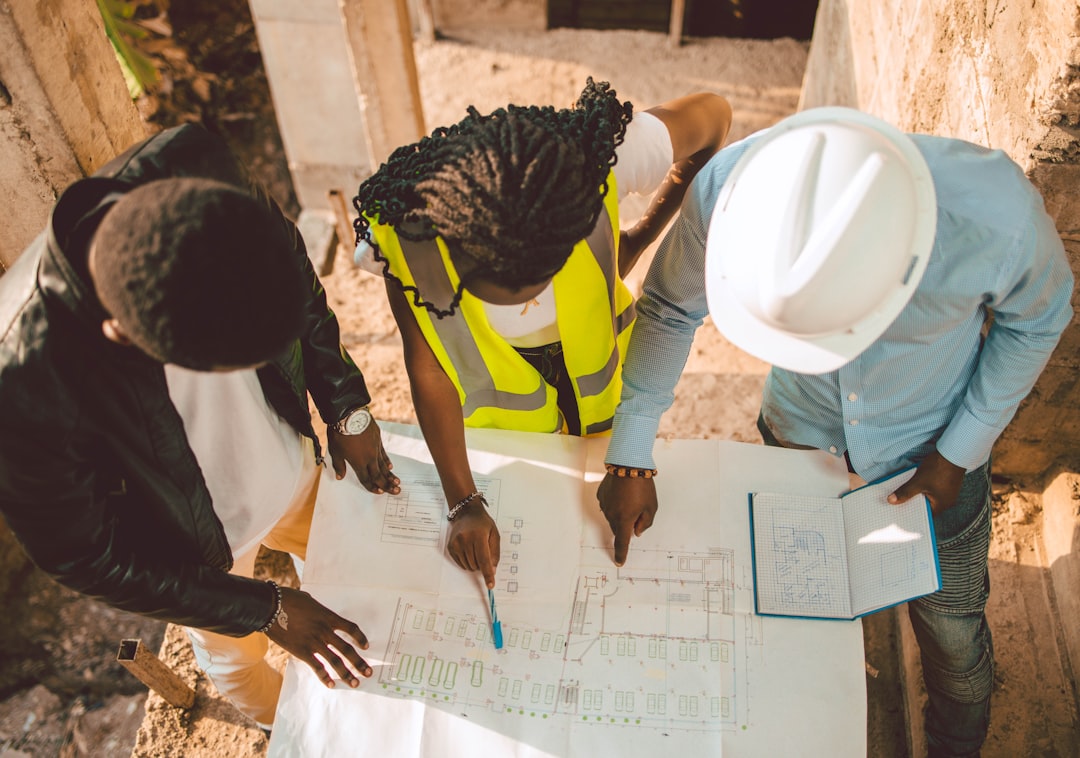
Embarking on a construction project, whether a home renovation or a commercial development, is a significant undertaking. The difference between a smooth, successful build and a stressful, over-budget ordeal often lies in the quality of the initial planning. A comprehensive construction planning guide serves as the essential blueprint for success, transforming a vision into a viable, executable project.
The Foundation of Success: Why Pre-Construction Planning is Non-Negotiable
Before a single shovel hits the ground, a substantial amount of intellectual and logistical work must be completed. This preparatory phase is not merely administrative; it is the strategic core of the entire endeavor. Effective planning mitigates risk, controls costs, and establishes clear communication channels for all parties involved.
Consider these critical objectives achieved through diligent preparation:
- Budget Accuracy: Moving from rough estimates to a detailed, line-item budget that accounts for materials, labor, permits, and contingencies.
- Timeline Realism: Developing a phased schedule that sequences tasks logically and accounts for dependencies, weather, and lead times.
- Risk Mitigation: Identifying potential obstacles—from zoning issues to supply chain delays—and formulating response plans.
- Stakeholder Alignment: Ensuring the project owner, design team, and construction manager share a unified vision and set of expectations.
Core Preparation Steps: Your Project Planning Checklist
A structured approach to construction planning breaks down the monumental task into manageable phases. Following these steps in order provides a logical pathway from concept to groundbreaking.
1. Define the Project Scope and Objectives
This is the “why” and “what” of your project. Clarity here prevents costly changes later. Begin by articulating the primary goal. Is it to add functional space, increase property value, or meet a specific business need?
Document every requirement, no matter how small. This scope definition should address:
- Functional needs and desired features.
- Aesthetic preferences and architectural style.
- Quality of materials and finish levels.
- Any sustainability or energy efficiency targets.
2. Conduct Feasibility Analysis and Site Assessment
A great idea must be grounded in reality. This step involves a clear-eyed evaluation of your property and local regulations to determine if your vision is physically and legally possible. Engage professionals early for this critical review.
Key assessments include:
- Geotechnical Survey: Analyzing soil conditions for foundation design.
- Topographical Survey: Mapping the land’s contours and features.
- Zoning and Code Review: Verifying allowed uses, height restrictions, setback requirements, and building codes.
- Utility Availability: Confirming access to water, sewer, gas, and electricity.
3. Develop Preliminary Designs and Budgets
With a viable scope and site, the project begins to take visual and financial shape. An architect or designer translates your needs into schematic drawings. Concurrently, a cost estimator uses these early designs to build a preliminary budget.
This phase is iterative. Design choices are weighed against their cost implications. The goal is to arrive at a design that meets core objectives while aligning with your financial parameters before investing in detailed engineering.
4. Secure Financing and Assemble Your Team
Construction requires significant capital. Present your detailed scope, designs, and preliminary budget to lenders or financial officers to secure the necessary funds. A solid plan demonstrates professionalism and reduces perceived risk for financiers.
Simultaneously, assemble your key project team. This typically includes:
- Architect/Designer: For detailed drawings and specifications.
- General Contractor: For construction execution and subcontractor management.
- Project Manager: To oversee schedule, budget, and communications.
- Specialty Engineers: For structural, mechanical, electrical, and plumbing plans.
5. Finalize Construction Documents and Obtain Permits
This step produces the official instruction manual for the build. Construction documents comprise detailed architectural drawings, engineering plans, and technical specifications that define every aspect of the work.
These documents are then submitted to local building authorities to obtain the required permits. The permit review process ensures the design complies with all safety and zoning codes. Never start construction without all necessary approvals in hand.
Critical Project Considerations Before Breaking Ground
Beyond the linear checklist, several overarching considerations require constant attention throughout the planning phase. Ignoring these areas can unravel even the most meticulously drafted plan.
Budget Contingency and Cost Management
A realistic budget includes a contingency fund, typically 10% to 20% of the total project cost. This is not a slush fund but a strategic reserve for unforeseen issues like hidden site conditions or material price fluctuations.
Implement a robust cost-tracking system from day one. Regularly compare actual expenditures against the budgeted amounts to identify variances early and make informed adjustments.
Schedule Development and Phasing
A well-sequenced schedule is a dynamic tool. It should outline major milestones, task durations, and critical dependencies—such as the foundation needing to cure before framing begins. Factor in lead times for custom-ordered materials and potential weather delays for exterior work.
For complex projects, consider a phased approach. This allows for completion of discrete sections, which can be beneficial for financing, occupancy, or managing disruption on an active site.
Risk Assessment and Mitigation Strategies
Proactive risk management is a hallmark of professional project planning. Conduct a formal risk assessment workshop with your team to brainstorm potential problems.
Common construction risks include:
- Safety incidents on site.
- Subcontractor default or schedule failure.
- Discovery of hazardous materials (e.g., asbestos).
- Significant price escalation in key materials.
For each identified risk, decide on a mitigation strategy (to reduce its likelihood) and a contingency plan (to minimize impact if it occurs).
Communication and Coordination Protocols
Construction involves a symphony of trades and decision-makers. Establishing clear communication protocols from the outset prevents misunderstandings and delays. Define primary points of contact, preferred methods for requests and approvals (e.g., email, project management software), and the schedule for regular progress meetings.
Document all decisions and change orders in writing. This creates a clear audit trail and ensures all team members are working from the latest information.
From Plan to Reality: The Final Pre-Construction Review
In the final days before mobilization, conduct a comprehensive pre-construction meeting. Gather the entire team—owner, project manager, general contractor, key subcontractors, and the design lead—to walk through the plan one last time.
This meeting should verify that everyone has the correct, final set of documents, understands the schedule sequence, knows the safety and site access rules, and is clear on communication channels. It is the last checkpoint to ensure alignment and address any final questions.
The meticulous work of construction planning, encompassing thorough preparation steps and diligent project considerations, is the most powerful investment you can make in your project’s outcome. It builds a foundation of clarity, control, and confidence. By dedicating the necessary time and resources to this phase, you transform the complex coordination of a construction project from a source of stress into a managed, executable process, setting the stage for a successful build from the ground up.
- The 2026 Professional Roofing Services Guide – 22/04/2026
- The 2026 Water Damage Recovery Guide – 22/04/2026
- The 2026 Solar Roofing Strategy – 22/04/2026

Leave a Reply