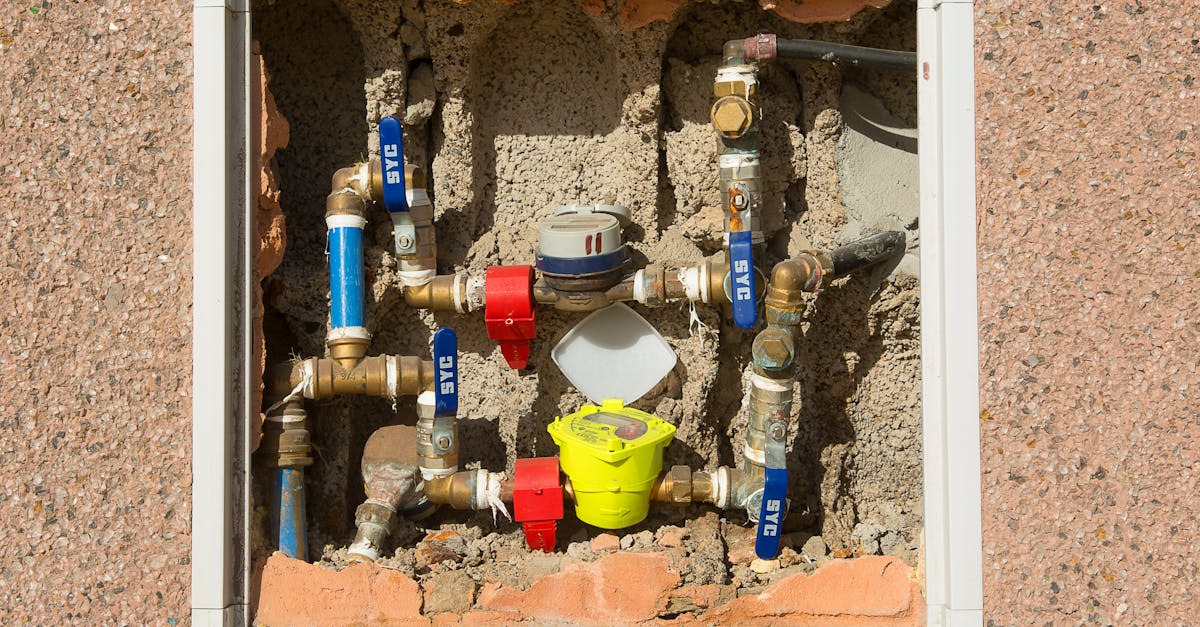
The quality of water in your home is a foundational element of daily life, impacting everything from your health to the longevity of your appliances. With a vast array of water filtration systems available, selecting the right one can feel overwhelming. This guide provides a clear, detailed overview of system types, key features, and essential home considerations to help you make an informed decision.
Understanding Your Water: The First Critical Step
Before exploring specific systems, understanding what you need to remove from your water is paramount. Water quality varies significantly by location, source, and household plumbing. A solution that works for a neighbor with a private well may be unnecessary for someone on a municipal supply.
Taking these preliminary steps will provide the clarity needed to evaluate options effectively.
Conduct a Water Test
A professional water test is the most reliable method to identify specific contaminants. You can also use a certified home test kit for initial screening. Key parameters to test for include:
- Common Contaminants: Chlorine, chloramines, lead, arsenic, nitrates, and pesticides.
- Hardness Minerals: Calcium and magnesium, which cause scale buildup.
- General Indicators: Total dissolved solids (TDS), pH level, and turbidity (cloudiness).
Review Your Water Report
If you are on a municipal water supply, your provider is required to publish an annual Consumer Confidence Report. This document lists detected contaminants and their levels, offering a valuable baseline for your research.
Identify Household Needs
Consider your primary goals. Are you addressing a specific health concern, improving taste and odor, protecting plumbing, or seeking comprehensive purification for all water uses? Your priorities will directly influence the type of system you choose.
Primary Types of Water Filtration Systems
Water filtration systems are broadly categorized by their point of installation and scale of treatment. Each type serves a distinct purpose and comes with its own set of advantages and considerations.
Point-of-Use (POU) Systems
These systems treat water at a single outlet, such as a kitchen faucet or a dedicated dispenser. They are typically more affordable and easier to install, making them ideal for targeted filtration.
- Pitcher & Faucet-Mount Filters: Basic, low-cost options that reduce chlorine taste and sediment. Filter life is short, and contaminant reduction is limited.
- Countertop Filters: Connect to the faucet via a diverter valve. They often house more robust filter media than pitcher models, improving capacity and effectiveness.
- Under-Sink Filters: Installed beneath the kitchen sink, these systems provide treated water through a separate faucet. They offer superior filtration for drinking and cooking water without cluttering counter space.
Point-of-Entry (POE) / Whole-House Systems
Installed where the main water line enters your home, these systems treat all water flowing to every faucet, shower, and appliance. This comprehensive approach protects plumbing, improves water for bathing, and ensures uniform quality.
- Whole-House Sediment Filters: Remove sand, rust, and other particulates to protect downstream equipment and improve water clarity.
- Whole-House Carbon Filters: Effectively reduce chlorine, chloramines, and organic compounds that affect taste and odor throughout the home.
- Water Softeners: Specifically target hardness minerals (calcium and magnesium) using ion exchange technology to prevent scale damage to pipes, water heaters, and fixtures.
Key Filtration Technologies & Features
Within these system types, various technologies perform the actual work of contaminant removal. Understanding these core mechanisms is essential for matching a system to your water quality issues.
Activated Carbon & Catalytic Carbon
Carbon filtration is highly effective for improving taste and odor by adsorbing chlorine, volatile organic compounds, and some pesticides. Catalytic carbon is a specialized form that also removes chloramines, a common disinfectant in municipal water that is harder to eliminate.
Reverse Osmosis (RO)
Often considered the gold standard for drinking water purification, RO systems use a semi-permeable membrane to remove a very wide spectrum of contaminants. A typical multi-stage RO system includes:
- A pre-filter for sediment and chlorine.
- The RO membrane to remove dissolved solids, heavy metals, and microorganisms.
- A post-filter (often carbon) for final polishing.
- A storage tank for treated water.
It’s important to note that RO systems produce wastewater as part of the purification process, and they may require professional installation.
Ion Exchange (Water Softening)
This technology swaps hardness ions (calcium and magnesium) for sodium or potassium ions. It is the definitive solution for hard water problems but does not remove other contaminants like bacteria or lead. For comprehensive treatment, softeners are often paired with other filtration systems.
UV (Ultraviolet) Purification
UV systems use ultraviolet light to disinfect water by inactivating bacteria, viruses, and other microorganisms. They are a powerful chemical-free barrier against biological contaminants but do not remove chemical impurities or particles. UV is typically used as a final stage in a multi-stage system.
Important System Features to Compare
- Flow Rate: For whole-house systems, ensure the gallons-per-minute (GPM) rating meets your household’s peak demand.
- Filter Life & Capacity: Check the estimated gallon capacity before replacement is needed. Longer filter life reduces long-term maintenance.
- Certifications: Look for independent certifications from organizations like NSF International or the Water Quality Association. These verify a system’s performance claims against specific contaminant standards.
- Wastewater Ratio: For RO systems, this indicates efficiency. Modern systems can have ratios as low as 1:1 (one gallon of wastewater per gallon of purified water).
Essential Home Considerations Before Purchase
Technical specifications are only part of the equation. Your home’s physical setup, your budget, and ongoing maintenance requirements are equally critical in the decision-making process.
Installation Space & Plumbing
- Under-Sink & Whole-House: Measure the available space carefully. Whole-house systems require access to the main water line, adequate drainage, and a power outlet if the system has digital controls or a UV lamp.
- Skill Level: While some POU systems are DIY-friendly, installing a whole-house system or an under-sink RO unit often benefits from or requires professional plumbing to ensure proper function and avoid leaks.
Ongoing Costs & Maintenance
The purchase price is just the initial investment. Factor in the long-term ownership costs, which can vary significantly.
- Replacement Filters: Determine the cost and frequency for all filter stages (pre-filters, membranes, post-filters).
- Salt for Softeners: If you choose a salt-based water softener, account for regular salt purchases.
- Energy Use: Systems with UV lamps, digital controls, or demand-initiated regeneration will increase electricity consumption slightly.
Household Size & Water Usage
A system must be sized correctly for your home’s water consumption. A small-capacity filter for a large family will require excessively frequent changes, while an oversized system may be an unnecessary upfront expense. Your daily water use and the number of bathrooms are key sizing metrics.
Making Your Final Decision
With a clear understanding of your water quality, the available technologies, and your home’s constraints, you can narrow your choices effectively. The optimal solution often involves combining systems—for example, a whole-house sediment and carbon filter for general water quality, paired with an under-sink reverse osmosis system for premium drinking water.
Investing in a water filtration system is an investment in your home’s infrastructure and your family’s well-being. By methodically assessing your needs against the types, features, and practical considerations outlined here, you can confidently select a system that delivers clean, great-tasting water tailored to your specific situation for years to come.
- The 2026 Professional Roofing Services Guide – 22/04/2026
- The 2026 Water Damage Recovery Guide – 22/04/2026
- The 2026 Solar Roofing Strategy – 22/04/2026

Leave a Reply