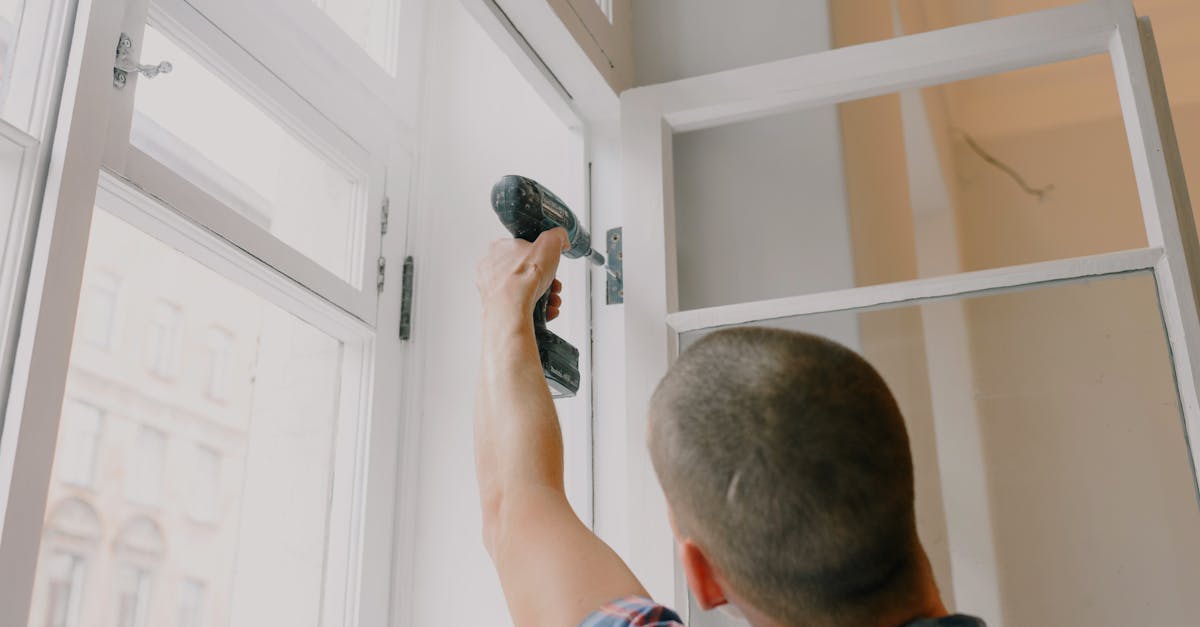
Embarking on a window replacement project is a significant investment in your home’s comfort, aesthetics, and value. The sheer number of choices available can feel overwhelming, turning what should be a straightforward upgrade into a complex decision-making process. This guide is designed to demystify the journey, providing a clear overview of materials, styles, and the critical planning factors every homeowner should consider.
Understanding Your Core Objectives
Before diving into product catalogs, it’s essential to define what you want to achieve. A clear set of goals will guide every subsequent choice, from frame material to glass type. Are you aiming for maximum energy savings, a specific architectural look, or simply addressing drafts and operational issues? Your primary objectives will shape your budget and priorities.
Common Homeowner Goals
Most projects are driven by one or more of the following aims:
- Enhanced Energy Efficiency: Reducing heating and cooling costs by minimizing heat transfer and air leakage.
- Improved Comfort: Eliminating drafts, reducing outside noise, and maintaining more consistent indoor temperatures.
- Increased Home Value & Curb Appeal: Updating the home’s exterior appearance with modern, attractive styles.
- Reduced Maintenance: Moving away from high-upkeep materials like wood that require regular painting.
- Better Functionality & Safety: Replacing windows that are difficult to open, close, or lock.
A Deep Dive into Window Frame Materials
The frame material is the backbone of your new window, influencing its durability, insulation properties, appearance, and cost. Each option presents a distinct set of advantages and trade-offs.
Vinyl: The All-Around Performer
Vinyl has become the most popular choice for residential replacement projects, and for good reason. It offers an excellent balance of affordability, performance, and low maintenance.
- Pros: Cost-effective, excellent thermal insulation, never needs painting, resistant to moisture and rot, available in many colors and finishes.
- Cons: Color is typically permanent (cannot be painted), can expand and contract with temperature swings, and premium styles may approach wood pricing.
- Best For: Homeowners seeking a practical, low-maintenance solution with strong energy performance.
Wood: Classic Beauty and Insulation
Wood frames offer timeless aesthetic appeal and natural insulating properties. They are often the choice for historic homes or those seeking a traditional, high-end look.
- Pros: Superior natural insulation, can be painted or stained any color, authentic architectural character, and can be very durable with proper care.
- Cons: Highest maintenance requirement (regular painting/staining), vulnerable to moisture and insect damage if not protected, and typically the most expensive option.
- Best For: Period homes, custom projects, and owners who prioritize classic aesthetics and are committed to upkeep.
Fiberglass: Durability and Strength
Fiberglass frames are known for their exceptional strength and dimensional stability. They can withstand extreme weather conditions without warping, cracking, or expanding.
- Pros: Extremely strong and durable, low thermal expansion, can be painted, excellent insulator, and often carries long warranties.
- Cons: Generally higher cost than vinyl, and color options may be more limited in some markets.
- Best For: Harsh climates, large window units, and projects where maximum longevity and minimal movement are top priorities.
Aluminum and Composite Options
Aluminum is strong, slim, and low-maintenance but a poor insulator on its own. Modern versions often include thermal breaks to improve efficiency. Composite frames blend materials like wood fibers and polymers to create stable, low-maintenance units that mimic the look of wood.
Navigating Glass and Glazing Options
The glass package, or glazing, is where much of a window’s performance magic happens. Understanding key terms will help you select the right features for your climate and needs.
Double-Pane vs. Triple-Pane Glass
- Double-Pane: The standard for modern replacements. Two sheets of glass enclose an insulating air or gas space. It provides a significant upgrade over single-pane windows.
- Triple-Pane: Incorporates three glass layers and two insulating spaces. It offers superior insulation and sound reduction but at a higher cost and increased weight.
Performance-Enhancing Features
- Low-E Coatings: Microscopic, invisible metallic layers on the glass that reflect infrared heat. They help keep heat inside in winter and outside in summer without reducing visible light.
- Gas Fills: The space between panes is often filled with inert gases like Argon or Krypton, which are denser than air and provide better insulation.
- Warm Edge Spacers: The component that separates the glass panes. Advanced “warm edge” spacers reduce heat transfer at the glass edge, minimizing condensation and improving overall efficiency.
Selecting the Right Window Style
Style affects both function and form. Consider ventilation needs, cleaning ease, architectural harmony, and view when making your selection.
- Double-Hung: The classic choice. Both sashes slide vertically. Allows for versatile ventilation (top, bottom, or both) and easy cleaning from inside the home.
- Casement: Hinged on the side and crank outward. They provide an unobstructed view and excellent seal when closed, offering superior energy efficiency and airflow control.
- Sliding (Gliding): Sashes move horizontally. Simple operation, contemporary look, and are often more affordable. However, their seal is generally not as tight as casement windows.
- Awning & Hopper: Hinged at the top (awning) or bottom (hopper) and crank open. Excellent for ventilation during rain and often used in basements or as accent windows.
- Picture & Bay/Bow: Fixed picture windows are for light and views only. Bay (angular) and bow (curved) windows project from the home, creating interior space and dramatic architectural interest.
Critical Planning and Installation Factors
The quality of the installation is as important as the quality of the product itself. A poorly installed premium window will not perform as intended.
Full-Frame vs. Insert (Pocket) Installation
- Insert Replacement: The new window is installed into the existing frame. This is less invasive, faster, and preserves interior and exterior trim. It is only possible if the existing frame is structurally sound.
- Full-Frame Replacement: The entire window, including the frame and trim, is removed down to the rough opening. This allows for a thorough inspection of the wall structure, remediation of any rot or damage, and is necessary for a significant size change or if the old frame is compromised.
Working with Professional Installers
A reputable, experienced installer is non-negotiable. They ensure proper fitting, flashing, insulation, and sealing to prevent future water damage and air infiltration.
- Seek multiple detailed quotes that specify materials, glass packages, and installation method.
- Verify licenses, insurance, and check references or online reviews thoroughly.
- Ask about the warranty coverage for both the product and the labor.
- Avoid choosing based on price alone; the lowest bid often reflects shortcuts in product quality or installation expertise.
Budgeting and Timeline Realities
Costs vary dramatically based on size, material, glass features, and installation complexity. Obtain firm quotes and understand what is included. Lead times for custom or specialty windows can be several weeks or even months, so plan accordingly, especially for whole-house projects.
Making Your Final Decision
With a solid understanding of materials, styles, and glazing, you can approach your project with confidence. Weigh your initial goals against the long-term benefits of each option. Remember that high-quality windows are a long-term investment. The right combination of a well-chosen product and a flawless professional installation will deliver enhanced comfort, lower energy bills, and increased satisfaction with your home for years to come. The next step is to engage with qualified professionals who can provide specific recommendations and quotes tailored to your home’s unique requirements.
- The 2026 Professional Roofing Services Guide – 22/04/2026
- The 2026 Water Damage Recovery Guide – 22/04/2026
- The 2026 Solar Roofing Strategy – 22/04/2026

Leave a Reply